

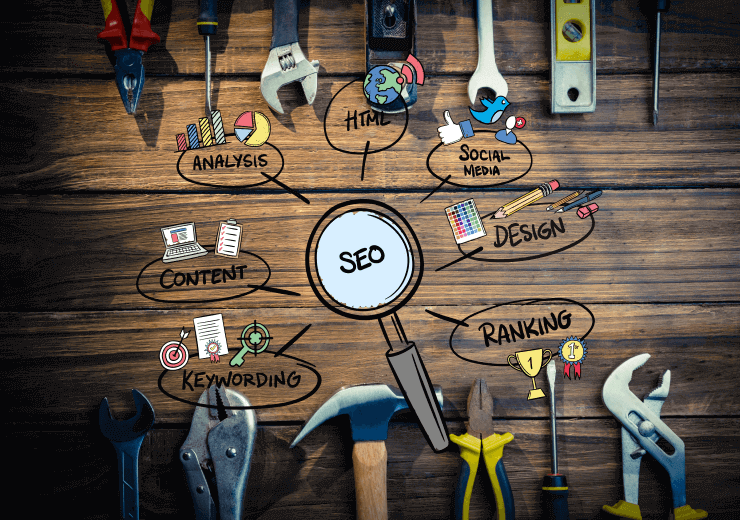
In today's digital-first world, customers often search online before they decide to contact a business, purchase a product, or request a service. Social media can help businesses attract attention, but a professional website gives that attention a permanent and reliable destination.
Whether you operate a small business, startup, professional service, or growing company, your website can become the central hub of your digital presence.
A website is more than an online brochure. When designed correctly, it can support SEO, lead generation, customer communication, brand credibility, and business growth.
1. Customers Search Online Before Making Decisions
When people need a service or product, one of their first actions is often to search online.
They may search for:
If your business does not have a strong online presence, potential customers may have difficulty finding or evaluating you.
A well-optimized website gives search engines relevant information about your business while giving customers a place to learn about your products and services.
Customers want to know that a business is legitimate and trustworthy.
A professional website can communicate:
A well-structured website can therefore strengthen your brand's credibility before a customer ever speaks with your team.
Social media platforms are useful for marketing, but you do not control their algorithms, layouts, or policies.
Your website gives you much greater control over your digital presence.
You control the:
This makes your website an important long-term digital asset.
Search engine optimization helps your business become more visible when potential customers search for relevant information.
An SEO-friendly website should have:
Google recommends creating helpful, reliable, people-first content and using words that users would naturally search for in prominent parts of the page.
Unlike a physical office, your website can remain available around the clock.
Visitors can:
With effective landing pages and clear calls to action, your website can become an important lead-generation channel.
You do not have to choose between social media and a website.
They can work together.
For example, a social media post can attract someone's attention, while a link takes them to a detailed service page or blog article on your website.
This creates a simple journey:
Social Media → Website → Information → Trust → Inquiry
Your website becomes the destination where interested visitors can learn more about your business.
A website is not something you create once and forget.
As your business grows, you can add:
This creates more opportunities to answer customer questions and target relevant search queries.
An SEO-friendly website should focus on both search engines and users.
Each important page should have a unique, descriptive title and relevant content. Google also recommends unique and useful meta descriptions, although Google may choose page content instead when generating the search snippet.
Your website should also use a logical internal linking structure so users and search engines can discover important pages easily.
In 2026, a website is not simply a digital business card. It can serve as the foundation of your online presence, support your SEO strategy, establish credibility, generate leads, and help customers understand why they should choose your business.
Social media can help people discover you, but your website gives them a place to learn, trust, and take action.
If your business wants sustainable digital growth, investing in a professional and SEO-friendly website is a smart long-term step.


From SEO and social media to paid advertising and web solutions,
we create digital strategies that drive visibility, leads, and growth.
We help businesses grow online with result-driven digital marketing, SEO, social media, and performance marketing strategies that increase visibility, generate quality leads, and drive sustainable growth.


ⓒCopyright 2026 Navdrishti Solutions . All rights reserved




 Navdrishti Solutions
 23 Aug, 2026

